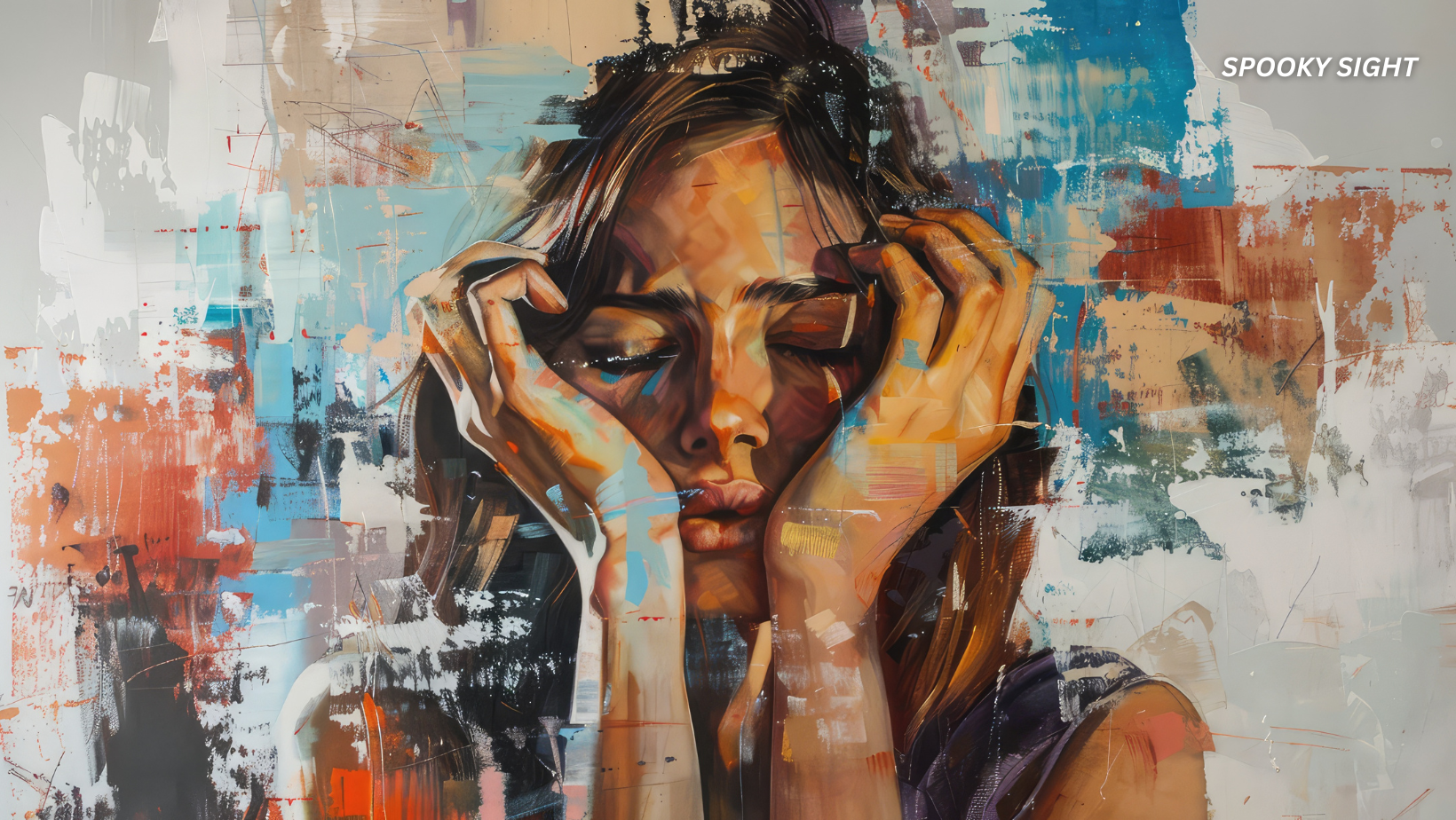
Childhood has a way of looking warm and magical in hindsight. We remember the cartoons, the snacks, the playgrounds, and the feeling that the world was one giant adventure. But once adulthood rolls around and we begin examining those memories with a clearer lens, a different picture starts to form—one that reveals how many moments from our “carefree years” were actually a lot heavier than we understood at the time.
As kids, we were simply absorbing everything around us. We didn’t have the emotional vocabulary to question things, nor the perspective to recognize when something didn’t make sense. Only now, as adults who Google everything from “healthy boundaries” to “why do I apologize too much,” do we realize that some childhood experiences were unintentionally intense, strange, or downright unsettling.
Here are eight childhood memories that seemed completely normal back then but hit a little differently once we grew up.
1. School Competitions That Felt Like Mini Survival Games
Field days, quiz bowls, dance contests—these events were supposedly “for fun,” yet they often carried the emotional weight of championship matches. Teachers acted like a child’s entire future depended on sprinting fast or spelling correctly. Parents, meanwhile, cheered with the intensity of professional sports fans, sometimes yelling instructions that only added to the chaos.
For many kids, losing didn’t just mean going home without a ribbon. It meant dealing with disappointment from adults who forgot it was all just a school activity. Looking back, it’s surprising how much pressure was placed on tiny humans who still needed help tying their shoelaces.

Read more: 14 Paranormal Encounters People Swear Actually Happened
2. Getting Punished for Crying… While Crying
One of the more confusing childhood moments involved being scolded for showing emotion. The classic warning—“Stop crying, or I’ll give you a reason to cry”—made absolutely no sense once you grew older.
It didn’t teach emotional strength; it taught emotional shut-down. Children learned not how to process feelings, but how to hide them quickly to avoid further trouble. Many adults today still struggle with expressing sadness or frustration because childhood framed emotions as inconveniences rather than natural human responses.
It wasn’t “tough love.” It was simply adults lacking the tools to handle big feelings—both their own and ours.
3. Sharing Your Belongings With Guests Whether You Wanted To or Not
Whenever visitors arrived, a child’s personal belongings suddenly became part of the community loot. Favorite snacks were offered without hesitation, toys were handed out like party favors, and bedrooms transformed into temporary showrooms.
Saying “no” wasn’t acceptable because it was considered rude. So children learned early on that their preferences didn’t carry much weight if adults wanted to make an impression on company.
While it was meant to teach generosity, it often erased the idea of boundaries altogether. As adults, many people still struggle to assert themselves simply because childhood introduced the idea that pleasing others was more important than personal comfort.
4. Being Sent Outside With Zero Supervision
“Go play outside” sounded like freedom, and in many ways, it was. But it was also a kind of chaos no one fully acknowledged.
Kids explored forests, climbed unstable trees, chased stray animals, wandered onto busy streets, and biked down steep hills wearing exactly zero protective gear. Parents would simply hope that everything turned out fine and expect children to show up before dinner as proof of survival.
With adult eyes, it’s shocking how much trust went into letting kids roam without any supervision or safety measures. Many of us came home with scraped knees, mystery bruises, and stories that make us wince today—but back then, it was just another afternoon.
Read more: Psychologists Reveal 9 Hidden Clues Someone Is Intimidated by You
5. Being Forced to Apologize Even When You Weren’t at Fault
Childhood conflicts almost always ended the same way: both kids were instructed to apologize, regardless of who caused the issue. Maybe someone stole your toy, or maybe someone pushed you first—in the end, “say sorry” was the universal solution.
This practice didn’t teach accountability; it taught silence. It emphasized quick peace over real resolution and told children that fairness wasn’t as important as making the adults’ jobs easier.
Now, many grown-ups still instinctively apologize to avoid conflict, even when they did nothing wrong. Childhood socializing was less about justice and more about getting the situation over with as fast as possible.
6. Walking Past Roadside Memorials Without Understanding Their Meaning
As kids, many of us saw roadside flowers, photographs, or stuffed animals and assumed they were decorations placed there by kind strangers. The deeper meaning never registered.
Only in adulthood do we realize these markers represented real lives lost—moments of tragedy left quietly on the side of the road as reminders of grief. Looking back, it’s startling to think about how many emotional scenes we passed without comprehension, simply because childhood innocence protected us from the truth.
It’s one of those memories that feels harmless at the time but becomes heartbreaking once age adds context.
7. Laughing at Cartoons That Were Surprisingly Dark
When you revisit childhood cartoons years later, something becomes incredibly obvious: a lot of the humor was not meant for kids. There were jokes only adults could understand, themes that were strangely heavy, and slapstick violence that seemed normal only because it was wrapped in cheerful colors.
Characters got flattened, blown up, or hurled off cliffs—all played for laughs. Many storylines were surprisingly bizarre or unsettling when viewed through an adult lens.
Children didn’t catch the darker undertones, of course. We were too busy enjoying theme songs, cereal, and the comfort of familiar characters. But it’s almost surreal to realize how much of that content sailed right over our heads.
Read more: 10 Ways to Reawaken the Intuition Living Inside Your Body
8. The “Good Old Days” That Weren’t Always So Good
People love to romanticize the past. The phrase “good old days” gets tossed around as if everything was better, simpler, and more wholesome. But when we look closely, the nostalgia fades and the reality appears: outdated safety standards, questionable parenting norms, emotional neglect packaged as discipline, and expectations that would be frowned upon today.
There’s no denying that many childhood memories are warm and wonderful—but the darker moments remind us why society eventually changed. What once seemed ordinary would now raise concerns, and what once felt harmless now looks like early lessons in stress, resilience, and self-preservation.
The past wasn’t terrible, but it wasn’t perfect either—and it’s okay to remember both sides.
Featured image: Freepik.
Friendly Note: Spookysight.com shares general information for curious minds. Please fact-check all claims. 🌱