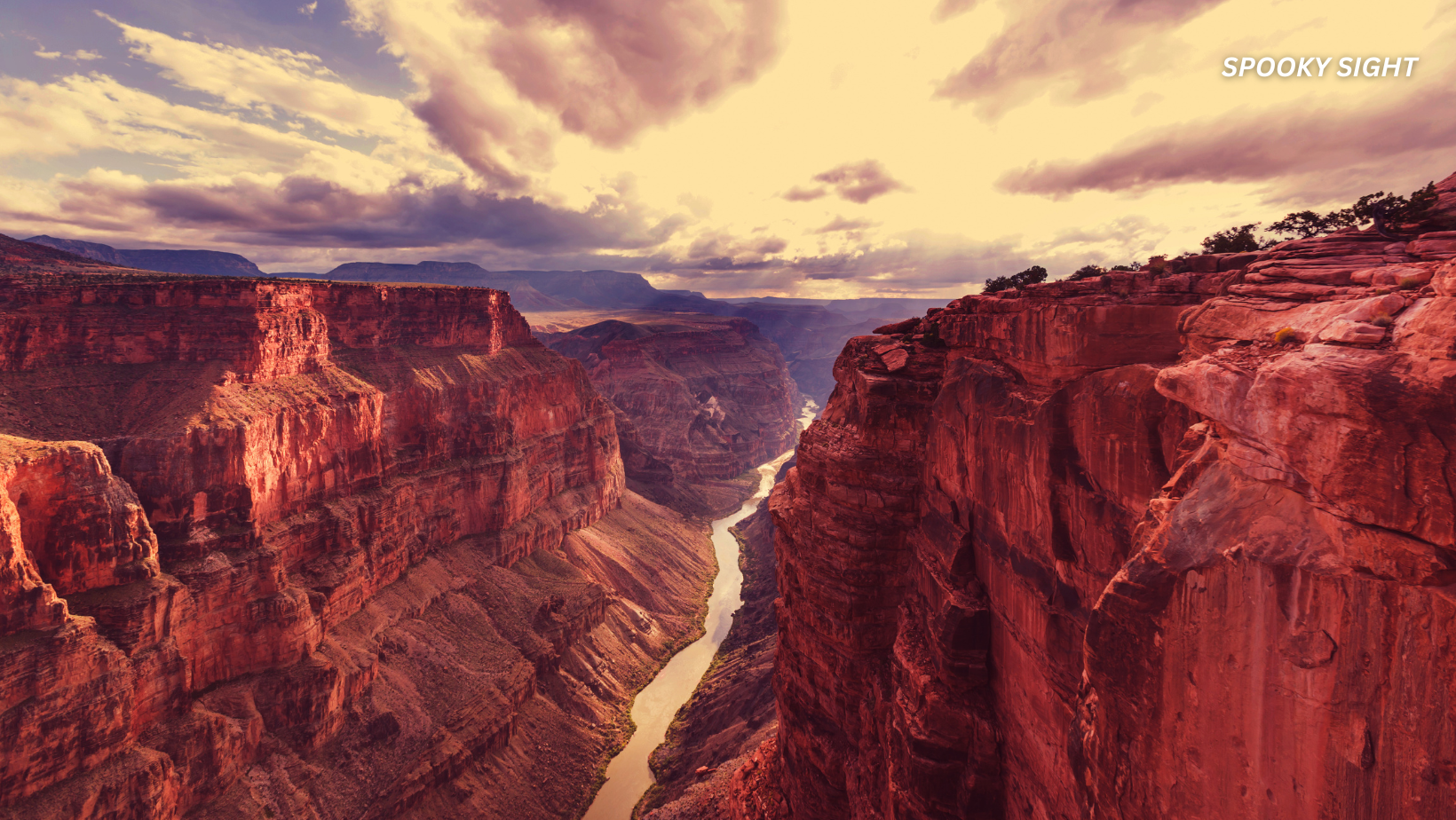
Deep within the vast and rugged landscape of the Grand Canyon, a story has lingered for more than a century. It is the kind of tale that drifts between history and imagination, returning again and again whenever curiosity is stirred. What began as a bold newspaper claim in the early 1900s has now resurfaced through a modern account, raising a familiar question. Could there be something hidden in one of America’s most iconic natural wonders that has yet to be fully understood?
This is not simply a story about discovery. It is about how stories endure, how doubt and fascination can exist side by side, and how even in an age of advanced science, some mysteries still manage to hold their ground.
The 1909 Story That Started It All
In April 1909, a newspaper in Arizona published a report that quickly captured attention. It described an explorer named G. E. Kincaid who claimed to have discovered a hidden network of chambers deep within the Grand Canyon. According to the article, these chambers were filled with unusual objects. There were copper tools, carved figures, and even mummified remains that seemed unlike anything previously found in North America.
The details were vivid. The entrance was said to be carved into a steep cliff face, far beyond the reach of ordinary travelers. Inside, the space was described as vast and carefully structured, almost as if it had been designed with purpose rather than formed by chance.
At the time, the story spread quickly. It sparked imagination and curiosity, offering the possibility that ancient civilizations might have left behind traces in a place where few would expect them. Yet as the excitement settled, something unusual happened. No follow up expedition confirmed the claims. The discovery remained a story, suspended between possibility and doubt.
Related article: Man Claims To Communicate With Non-Human Intelligence, And What They Told Him Proves God’s Existence
A Firm Denial From the Smithsonian
As interest in the story continued, researchers and journalists attempted to verify its origins. The Smithsonian Institution, often associated with major archaeological work, was said to have been involved in the original expedition. However, when questioned, the institution stated clearly that it had no record of such a mission.
There were no official documents tied to G. E. Kincaid or the supposed expedition team. No artifacts were cataloged. No academic reports supported the claims. From a scientific standpoint, the case appeared closed.
For many, this denial reinforced the idea that the 1909 article had been exaggerated or entirely fictional. Newspapers of that era were known to publish dramatic stories designed to attract readers. Without evidence, the tale could easily be placed in that category.
Yet for others, the lack of records created a different kind of intrigue. Instead of ending the story, it seemed to deepen it. The absence of proof became part of the mystery itself.
A Modern Account Brings the Story Back
More than a hundred years later, the story has resurfaced in an unexpected way. A ranger working within the Grand Canyon reported encountering something unusual during a patrol in a remote area of Marble Canyon.
According to this account, the ranger noticed an opening in the rock that did not appear entirely natural. It had a smooth and rounded shape, standing out against the jagged cliffs around it. Curious, he explored further.
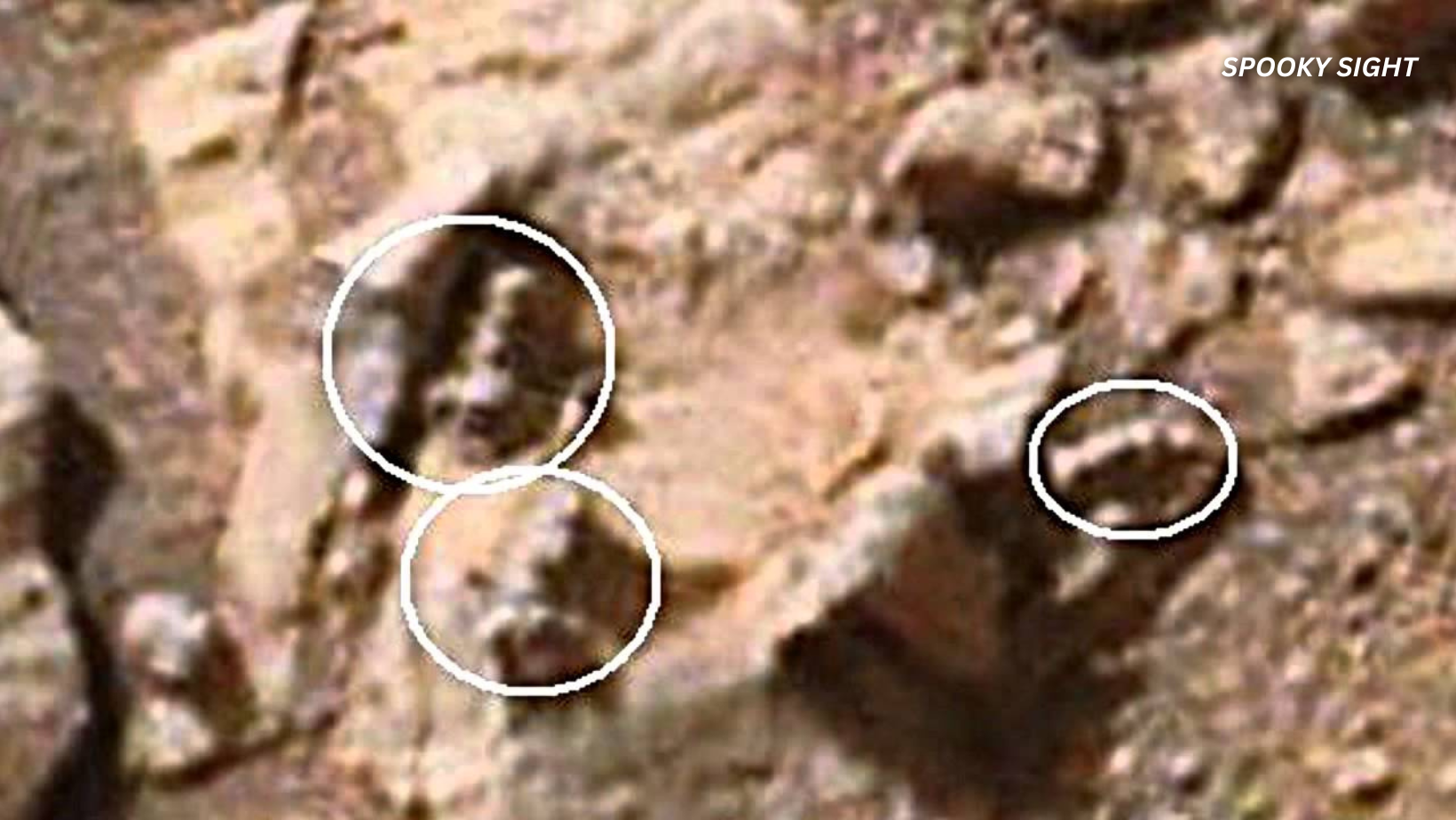
Inside, he described seeing carved surfaces and small recesses in the stone. There were also objects that resembled statues, worn by time but still recognizable in form. Some of these figures reportedly shared features that reminded him of ancient cultures far from North America.
The ranger documented what he saw and shared the information with his superiors. The area, according to the account, was then restricted from further access while the findings were reviewed.
This modern report has reignited interest in the original story. It has created a bridge between past claims and present observation, giving the legend a renewed sense of relevance.
A Location Few Can Reach
One detail that adds weight to the ranger’s account is the location itself. The area described lies within a restricted section of the Grand Canyon, managed by the National Park Service. These zones are protected for safety and preservation reasons and are not open to the general public.
Reaching such places requires special permission and often involves navigating difficult terrain. This makes accidental discovery by casual visitors highly unlikely.
At the same time, these restrictions make independent verification difficult. Researchers and explorers cannot simply visit the site to confirm what was reported. As a result, the story remains locked in a kind of balance. It is intriguing enough to spark interest, yet inaccessible enough to resist confirmation.
Why the Claims Raise Questions
If the ranger’s observations were proven accurate, they would raise significant questions about what is currently understood about the region’s history. The Grand Canyon is rich in Indigenous heritage, with well documented cultural sites and traditions. However, the types of objects described in both the 1909 story and the modern account do not easily fit within that established framework.
References to metal tools, detailed carvings, and structures resembling burial chambers suggest influences that are not typically associated with known local cultures. Such claims would require careful investigation, including scientific dating and material analysis, before any conclusions could be drawn.
It is important to approach these ideas with caution. History is shaped by evidence, not speculation. Extraordinary claims require strong and verifiable proof.
Related video: The Spiritual Gift That You Carry, Based on Your Birth Date
The Possibility of Myth or Misinterpretation
Not all mysteries lead to hidden civilizations. Historians often point out that stories like this were common in the early 20th century. Newspapers sometimes blended fact and fiction to create engaging narratives, especially when exploring themes like lost worlds or ancient secrets.
There is also the possibility that natural formations played a role in shaping the story. The Grand Canyon is known for its complex geology. Erosion, shadows, and rock patterns can sometimes create shapes that appear intentional. What looks like a carved wall might be the result of natural processes acting over thousands of years.
Cultural interpretation can also influence perception. Indigenous rock art and sacred spaces may be misunderstood when viewed without proper context. Symbols and designs that hold specific meaning within one culture might be mistaken for something entirely different by an outside observer.
These explanations do not dismiss the story entirely, but they offer grounded perspectives that help balance curiosity with reason.
Why the Story Continues to Capture Attention
In today’s digital world, stories like this travel faster than ever. The idea that something significant might be hidden or overlooked resonates with many people. It taps into a broader curiosity about history and the possibility that not everything has been fully discovered.
There is also a deeper emotional element at play. Stories of hidden knowledge often reflect a desire to challenge established narratives. They invite people to imagine that there may be more to the world than what is officially recognized.
This does not mean the claims are true. It simply explains why they remain compelling.

What It Would Take to Find the Truth
For this mystery to be resolved, careful and transparent research would be required. Archaeologists, geologists, and cultural experts would need to work together to examine the site, if access is granted. Any findings would need to be documented and analyzed using established scientific methods.
Equally important is respect for the land and its cultural significance. The Grand Canyon is not just a geological wonder. It is a place of deep meaning for Indigenous communities. Any investigation must take this into account.
If evidence is found, it should be shared openly and studied thoroughly. If no evidence supports the claims, then the story can finally be understood as part of the region’s rich collection of legends.
Related video: Scientists Revive 32,000-Year-Old Flower From Ice Age Seeds Stashed By A Squirrel
A Mystery That Remains Unresolved
For now, the Grand Canyon keeps its secrets. The cliffs stand unchanged, shaped by time and nature, while the story continues to echo through conversations and speculation.
Whether it turns out to be a misunderstood formation, a historical exaggeration, or something more unusual, the mystery serves as a reminder of how powerful a story can be. It shows how curiosity can endure across generations, even when answers remain out of reach.
In the end, the truth may lie not just in what is discovered, but in the questions that continue to be asked.
Featured image: Freepik.
Friendly Note: Spookysight.com shares general information for curious minds. Please fact-check all claims. 🌱