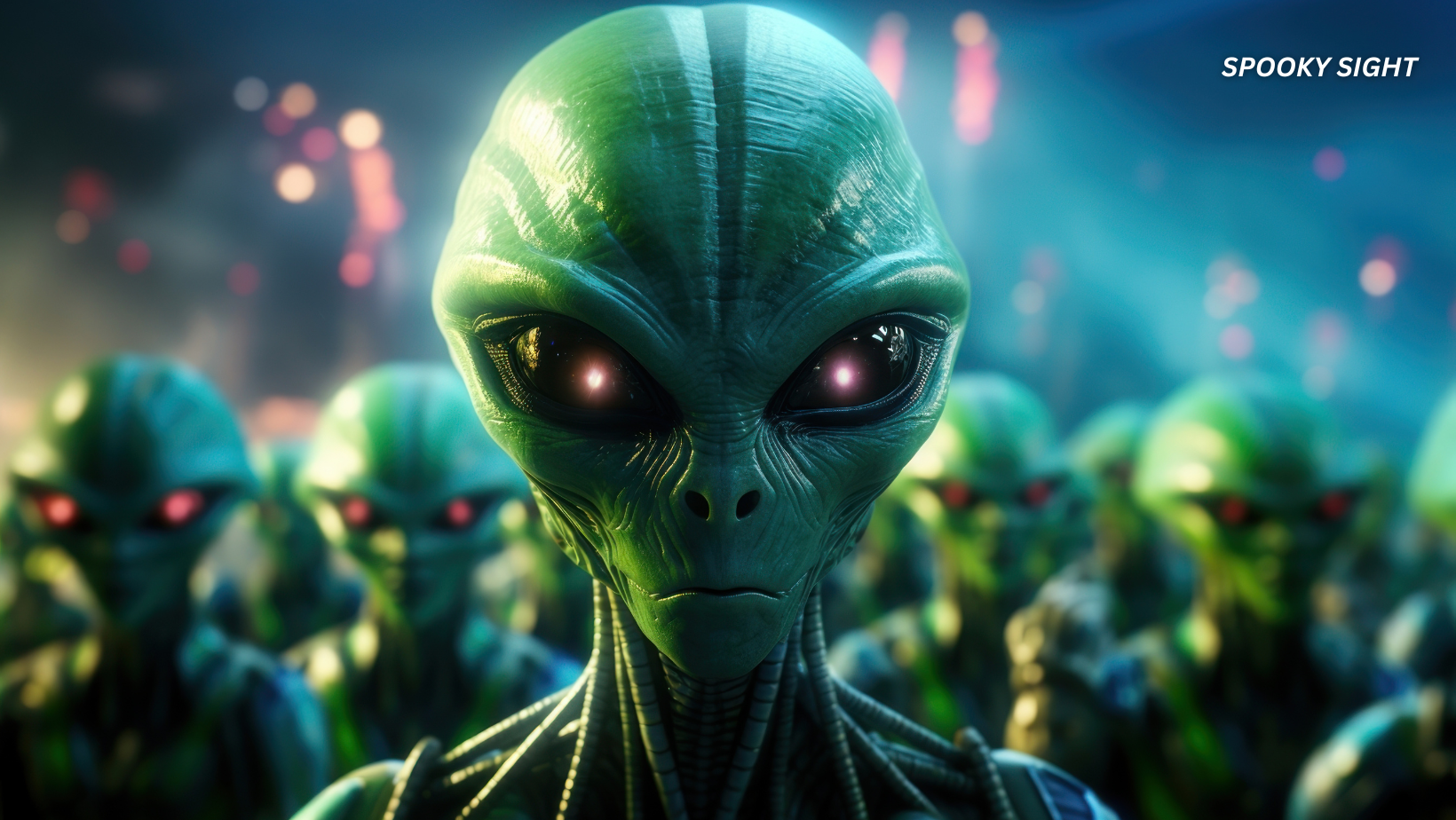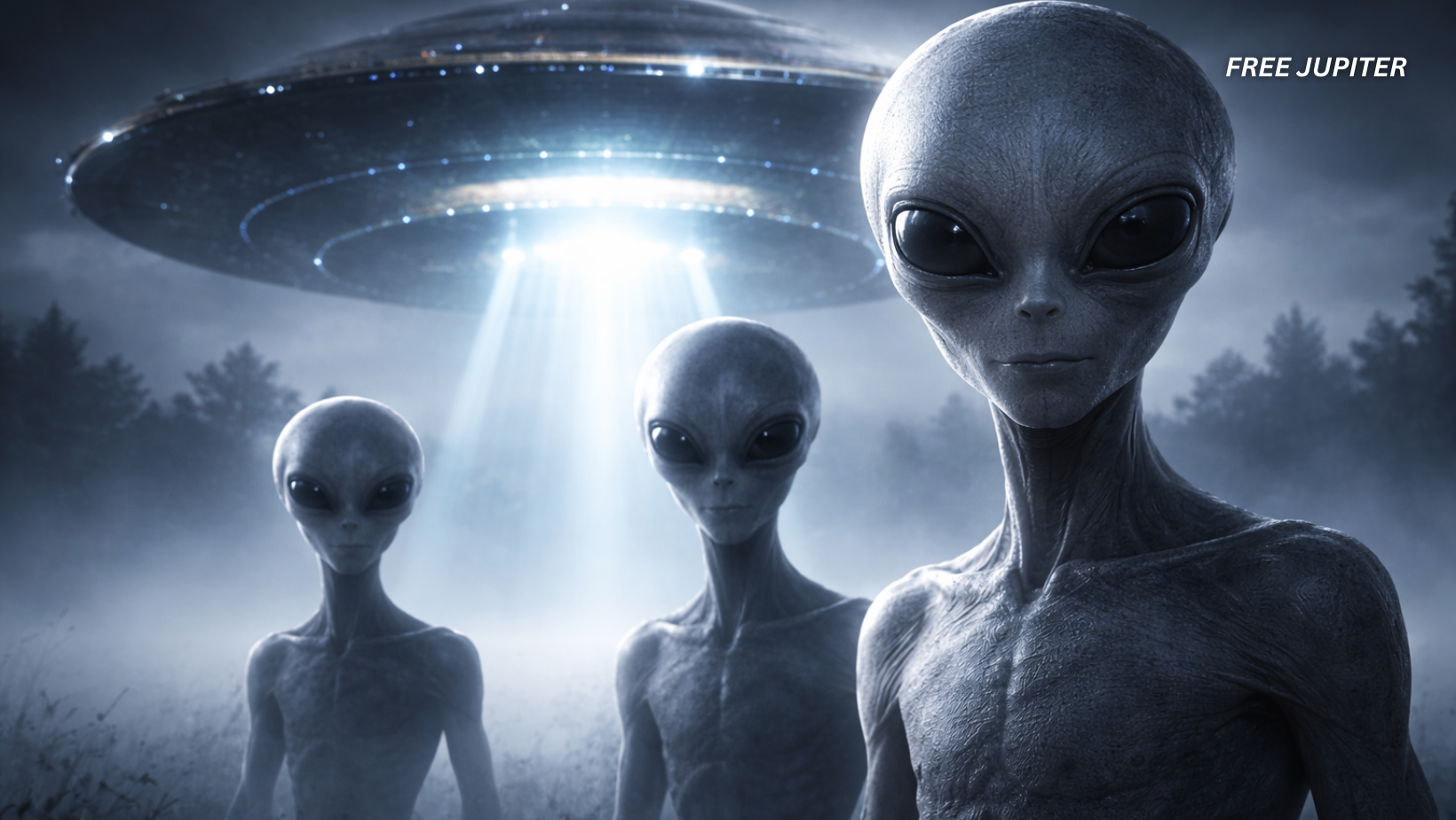
A former Bank of England expert is urging Britain’s central bank to think about one of the most unexpected kinds of financial risk imaginable: what would happen if the United States government officially announced that aliens exist.
That might sound like something out of a science fiction movie, but Helen McCaw — a former senior analyst in financial security at the Bank of England — believes it is worth serious consideration. McCaw, who spent a decade studying risks that could destabilize the financial system, has written to Bank Governor Andrew Bailey suggesting that the bank should already be planning for the economic effects of such a momentous announcement.
Her warning comes at a moment when conversations about unidentified aerial phenomena are growing more common in mainstream politics and media.
Why a Bank Should Think About Aliens
McCaw’s central point is that markets work because people trust that the future will be predictable. Investors, banks, and households make decisions based on shared assumptions about how the world operates. If something suddenly shatters those assumptions, financial systems could face intense stress.
She uses a term called an ontological shock, that means a shock to people’s basic understanding of reality. In McCaw’s view, confirmation of alien life would not just be scientific news. It could fundamentally change how people think about safety, government control, and the future of humanity. That shift could ripple through financial markets in unpredictable ways.
In her letter to the governor, McCaw argues that policymakers cannot simply assume that such a possibility is so unlikely that it can be ignored. She suggests that even if official confirmation is still hypothetical, the potential consequences are large enough to warrant planning now.

Related article: This Strange Vampire Squid Isn’t A Monster, But Has Some Of the Most Incredible DNA on Earth
The Growing Discussion Around UAPs
In recent years, unidentified aerial phenomena — the official term for what many people once called UFOs — have received more attention from government officials and public figures. Conversations that might once have been dismissed as fringe are now part of mainstream debate.
For example, a 2025 American documentary, The Age of Disclosure, explores claims by former military and intelligence personnel about longstanding government investigations into unexplained craft and alleged advanced technologies. The film frames “disclosure” as a moment when governments might release insider information about non‑human intelligence — a possibility that has caught public interest and sparked online discussion.
Meanwhile, in the United States, congressional discussions about improving how unidentified aerial phenomena are tracked and reported have been ongoing for years. Legislation has even directed federal agencies to collect and preserve records related to these sightings, although how much information will ultimately be shared with the public remains a matter of debate.
This broader context helps explain why McCaw believes it is no longer reasonable for financial regulators to dismiss the topic entirely. Whether or not confirmation ever happens, governments are engaging with the subject in ways they have not in the past.
What a Financial Shock Could Look Like
So what exactly does McCaw worry could happen if the existence of intelligent non‑human life were confirmed? Her concerns focus less on the aliens themselves and more on how people — investors, consumers, businesses, and governments — might react emotionally and behaviourally.
Market Volatility and Investor Panic
One of the first likely effects, she believes, would be extreme swings in financial markets. Stock and bond prices could rise and fall wildly as people try to interpret what the news means for the future. If investors feel uncertain about how to price assets — that is, to decide what something is worth — traditional models might fail, leading to dramatic instability.
In severe scenarios, McCaw points to the possibility that confidence in banks and financial institutions could erode. If enough people lose trust in the stability of these systems, there could be sudden withdrawals from banks, known as “runs,” which have historically been dangerous for financial stability.
Digital Currencies as an Alternative
Another possibility McCaw and some market commentators have raised is that digital currencies could become more appealing. If trust in government‑backed assets declines, decentralized forms of money such as Bitcoin might be seen as a refuge. Some analysts even argue that in a world shaken by dramatic news, decentralized systems that operate independently of governments could attract interest from investors seeking stability.
This is not a prediction so much as a hypothesis about how markets may behave in an unprecedented situation. Just as gold became a safe haven during previous financial crises, digital currencies could emerge as one of many possible options people consider in times of uncertainty.
Related article: 3I/Atlas Shows A Strange Protrusion As It Speeds Toward Earth
More Than Just Numbers: Psychological Effects
What sets McCaw’s warning apart from typical financial risk reports is her emphasis on how people feel. Standard economic models often assume rational behaviour — that people will respond logically to new information. But psychology tells a different story.
When faced with news that upends their understanding of the world, people may react emotionally first and calculate financial consequences later. Fear, excitement, denial, or disbelief could all drive decisions that, in aggregate, lead to unpredictable market outcomes.
This focus on human response is not unique to the topic of extraterrestrials. Economists and sociologists have studied how markets react to surprise events before — such as political upheavals, natural disasters, or sudden policy changes. But the scale and nature of an official alien disclosure would be unlike any event in modern history, McCaw argues, because it strikes at the very assumptions underlying the way society and markets function.
Historical Analogies and Why Planning Matters
McCaw is not alone in suggesting that rare or unexpected events can have outsized effects on markets. Economists study “black swan” events — rare, hard‑to‑predict developments that can disrupt systems dramatically. Examples include the global financial crisis of 2008, unexpected geopolitical conflicts, or sudden technological leaps that reshape industries overnight. While none of these involved extraterrestrial life, they demonstrate how quickly confidence can shift and how deeply markets are tied to belief in stability.
Thinking through scenarios that seem unlikely is a standard part of risk management in central banking. Stress tests examine how banks might fare under extreme economic conditions. McCaw’s argument is that out‑of‑the‑ordinary possibilities should not be dismissed simply because they are unfamiliar. Preparedness, she says, can help mitigate panic and confusion if the unexpected ever arrives.

Related article: Scientists Just Measured the Shortest Unit of Time Ever — a Zeptosecond
What This Means for You
For most people, the idea that confirmation of extraterrestrial life could shake financial systems feels far removed from everyday life. But McCaw’s point is simple: in an interconnected global economy built on confidence and shared expectations, any event that fundamentally challenges those assumptions could have economic consequences, even if the event itself is not directly related to markets.
In that sense, planning for unexpected and dramatic scenarios is a way of strengthening the resilience of financial systems, not indulging in fear or fantasy. Central banks, governments, and investors all use contingency planning to prepare for the unpredictable — and this may be just the latest chapter in that ongoing effort.
Featured image: GPT Recreation.
Friendly Note: Spookysight.com shares general information for curious minds. Please fact-check all claims. 🌱