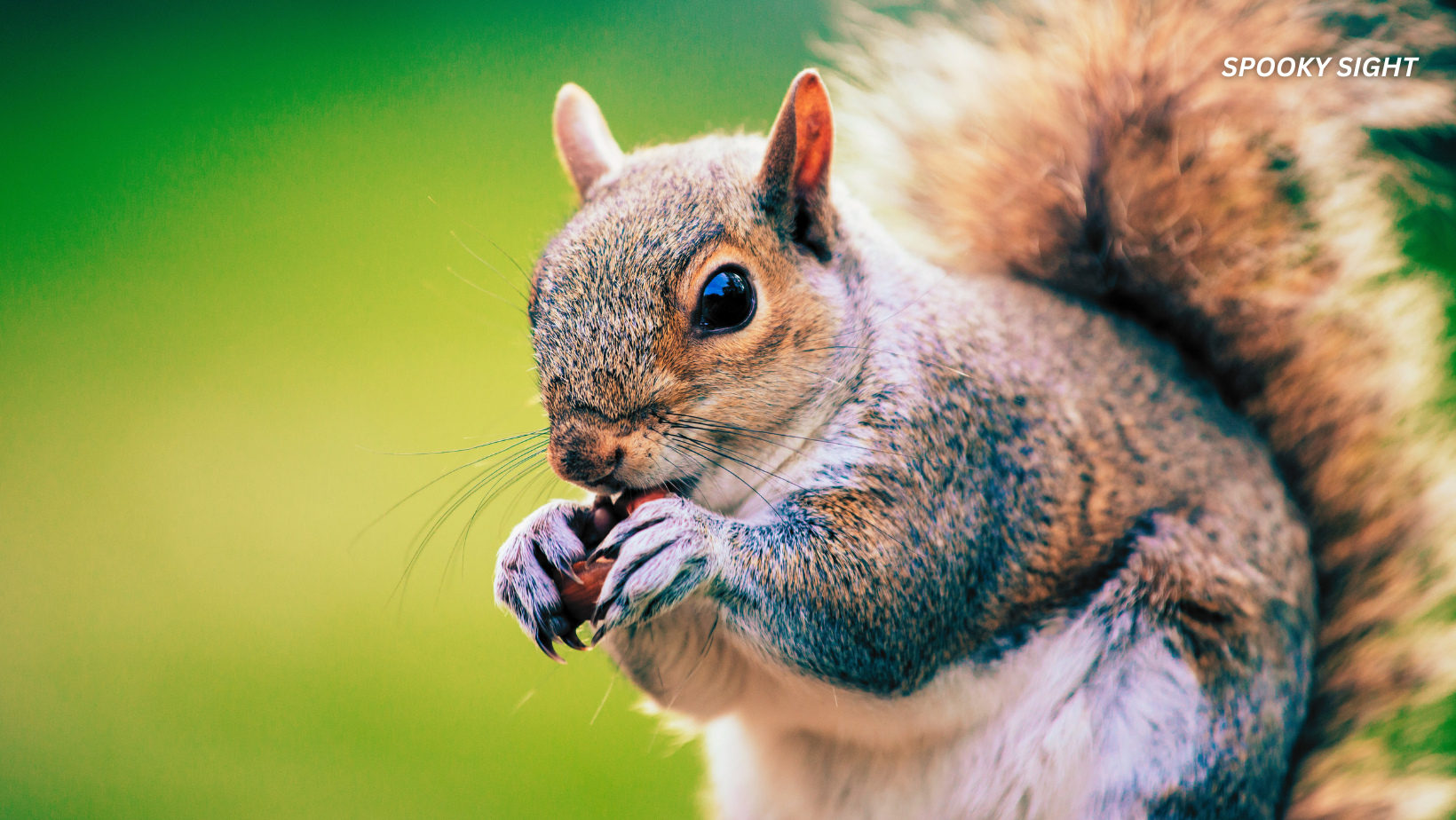
For years, squirrels have been seen as harmless plant eaters, often spotted gathering seeds, nibbling on fruits, or darting across parks with food tucked in their cheeks. They have long been associated with a mostly vegetarian lifestyle, occasionally eating insects but rarely anything more active or complex. That familiar image, however, is beginning to shift in a surprising way.
In parts of California, a new behavior has been observed that is changing how scientists understand these animals. California ground squirrels, a species commonly found in parks and open grasslands, have been documented hunting and eating other small animals. This is not a rare or accidental occurrence. It is a pattern that has been carefully studied, recorded, and confirmed over time.
A Long Study Reveals a Surprising Pattern
The discovery comes from a long running research project led by scientists from the University of California, Davis. Over a period of twelve years, researchers closely observed squirrel populations in Briones Regional Park, a protected area known for its diverse wildlife. What they found challenged long standing assumptions about the diet and behavior of these animals.
Instead of simply foraging for plants, some squirrels were seen actively chasing voles, which are small, mouse like rodents that live in grassy areas. The squirrels did not just scavenge already dead animals. They hunted live prey. In several recorded cases, squirrels pursued voles with speed and focus, caught them, and used their teeth and front paws to subdue them. Some even shook the animals in a way similar to how small predators handle their prey.

Read more: A Grand Canyon Ranger Claims He Found Something the Smithsonian Has Denied for 100 Years
More Than Opportunistic Feeding
This type of behavior had not been clearly documented before in scientific studies of California ground squirrels. While it has always been understood that many animals can occasionally eat meat if the opportunity arises, this level of active hunting marks a notable shift. It suggests that these squirrels are not just opportunistic feeders but are capable of adapting their behavior in more complex ways than previously thought.
The research team also noticed that competition sometimes followed the hunt. In a few cases, squirrels fought each other over captured prey. This indicates that the hunted animals were seen as valuable food sources, worth defending. It adds another layer to the behavior, showing that it is not only about survival but also about competition and resource value.
Why Are Squirrels Changing Their Diet
One of the leading explanations for this change lies in the environment itself. During the study period, there was a noticeable increase in the population of voles in the area. With more prey available, squirrels may have found it easier and more beneficial to include animal protein in their diet. When food becomes abundant and accessible, animals often adjust their feeding habits to take advantage of the opportunity.
Protein rich food can provide important nutrients that are not always easy to obtain from plants alone. For growing young squirrels or adults preparing for colder seasons, this additional source of energy may offer a significant advantage. In this way, the shift toward hunting could be seen as a practical response to changing conditions rather than a sudden or random behavior.
A Sign of Animal Adaptability
The findings also highlight a broader idea in biology, which is the adaptability of animals. Many species are more flexible than they appear. When their environment changes, whether due to climate patterns, food availability, or human activity, they can adjust their habits in ways that help them survive. This flexibility is often the difference between a species that thrives and one that struggles.
Climate change is another factor that may be influencing these shifts, even if indirectly. As temperatures change and ecosystems become less predictable, food chains can be disrupted. Some plants may become less available, while certain animal populations may grow or decline. In response, animals like squirrels may explore new food sources that they previously ignored.
Seeing Everyday Wildlife in a New Way
The idea that a common backyard animal could change its diet so dramatically is both fascinating and a little unexpected. It reminds people that nature is not fixed. Even animals that seem familiar can behave in surprising ways when conditions shift. What is seen today as unusual could become more common in the future if environmental pressures continue to evolve.
Lead researcher Jennifer Smith pointed out that humans often assume they understand the animals they see every day. Squirrels are a perfect example. They are present in parks, neighborhoods, and even busy cities, making them one of the most recognizable wild animals. Yet, despite this familiarity, their behavior still holds surprises.
Read more: Scientists Revive 32,000-Year-Old Flower From Ice Age Seeds Stashed By A Squirrel
What This Means for the Future
The study encourages a closer look at everyday wildlife. It suggests that there is still much to learn, even about species that have been observed for generations. Changes in behavior, like the shift toward hunting, may offer important clues about how ecosystems are changing as a whole.
For families who visit parks or live near natural areas, this discovery adds a new perspective. The squirrels seen running across the grass or climbing trees may be more complex than they appear. While they still eat seeds and plants, some are now showing skills that resemble those of small predators.
It is important to note that this behavior does not mean squirrels are becoming dangerous to humans or larger animals. Their hunting is focused on small prey like voles, which are well within their size range. However, the behavior does challenge the idea that squirrels are strictly plant eaters.
From a scientific point of view, this finding opens the door to more research. Questions remain about how widespread this behavior is and whether it will continue in the future. Researchers are also interested in understanding whether younger squirrels learn this behavior from others or develop it on their own.

Read more: Researchers Discover Trees Spark With Ultraviolet Energy During Thunderstorms
A Reminder That Nature Is Always Changing
Families who live near areas like Briones Regional Park may have unknowingly witnessed similar scenes. A child playing in the grass might spot a squirrel chasing something small, without realizing the significance of what is happening. Moments like these, once overlooked, are now being reexamined with greater attention.
In the end, this discovery serves as a reminder that nature is constantly evolving. Animals are not limited to one way of living. They respond to their surroundings, sometimes in ways that surprise even experienced scientists. The image of the squirrel as a simple seed collector may still hold true in many cases, but it is no longer the full story.
As research continues, one thing becomes clear. The natural world is far more dynamic than it seems at first glance. Even the most familiar creatures can adapt, change, and reveal new sides of themselves when conditions shift. And sometimes, those changes can be as unexpected as a squirrel becoming a hunter.
Featured image: Freepik.
Friendly Note: Spookysight.com shares general information for curious minds. Please fact-check all claims. 🌱