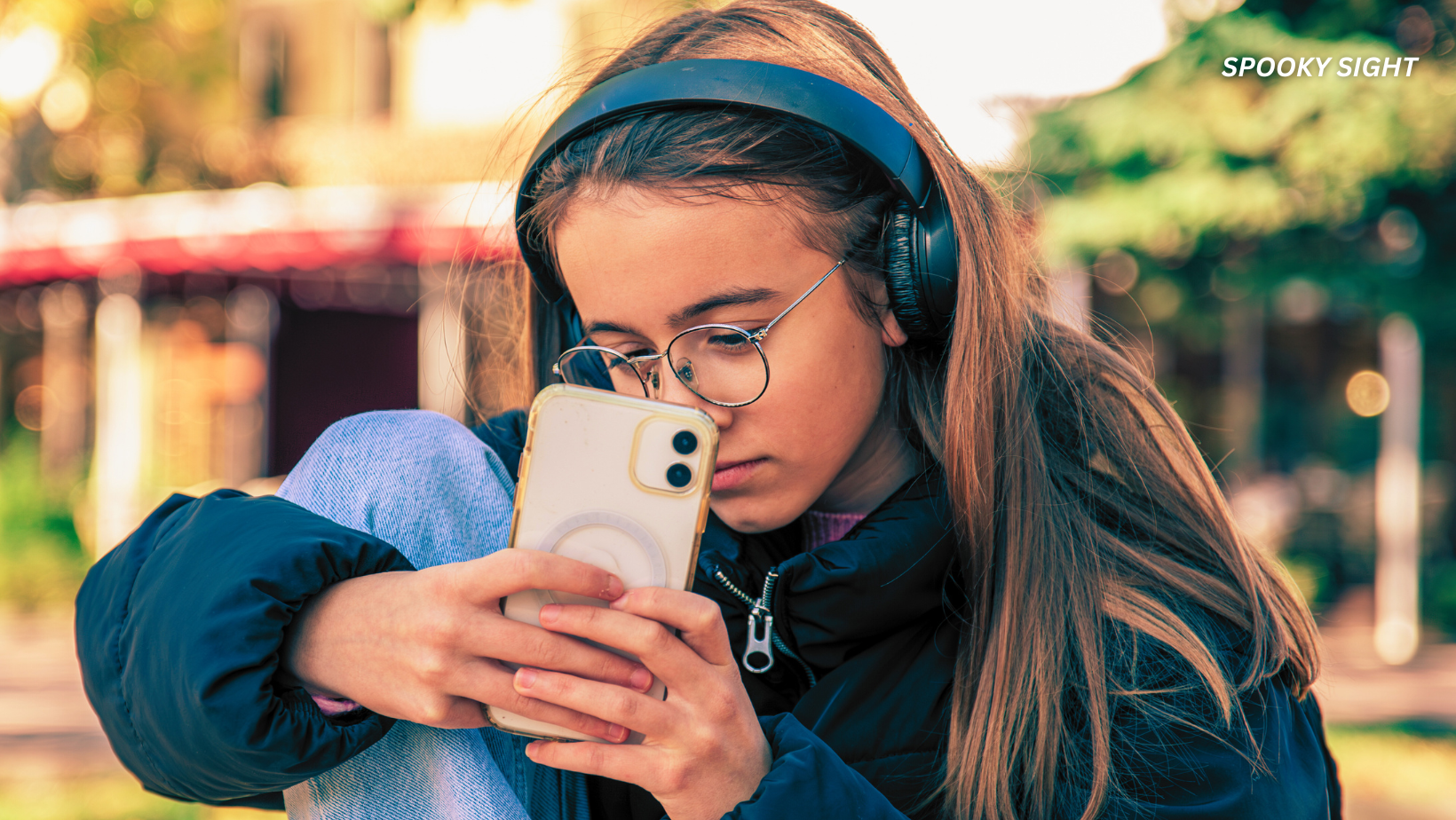
In our fast-paced, tech-filled world, it’s easy to overlook the simple, timeless skills that have connected people for thousands of years. A recent study suggests that Generation Z—those born roughly between the mid-1990s and early 2010s—is struggling with one of humanity’s most enduring abilities: the art of communication. Nearly 40 percent of young people today report difficulties in expressing themselves clearly, a stark contrast to past generations who relied on in-person conversations and thoughtful letters to connect. For women over 40, this reality sparks reflection on how communication has evolved and what it means for relationships, families, and society as a whole.
From Letters to Emojis: The Changing Face of Communication
Historically, communication was an art. People spoke face-to-face, wrote letters that sometimes took weeks to arrive, and used phone calls sparingly but meaningfully. Every interaction carried weight, emotion, and the subtlety of human connection. Conversations were opportunities to share stories, solve problems, and truly understand one another.
Today, the rules have changed. Generation Z has grown up immersed in a digital-first world where emojis, GIFs, and short texts often replace longer, nuanced messages. Social media dominates social interaction, shaping how young people express themselves. While these tools make communication faster and more global, they can also dilute essential skills like empathy, active listening, and understanding context. The challenge now is finding a balance between digital convenience and human connection.

Related article: Humans Gave Up Fur for This Evolutionary Advantage, Biologist Says
Why Empathy Matters More Than Ever
Empathy—the ability to feel what another person is feeling—is the heartbeat of meaningful communication. For those of us over 40, empathy often comes naturally, shaped by decades of real-life experiences, challenges, and relationships. For Generation Z, growing up in a screen-centric world has sometimes limited opportunities to develop this skill in person.
But empathy can be nurtured. Adults can model it by sharing personal experiences, discussing challenges, and inviting young people into conversations that expand their perspective. For instance, talking about a mistake you made at work or a difficult decision in life can help them understand the complexity of human emotions. Encouraging them to express their own feelings, even in small ways, strengthens emotional intelligence and builds deeper connections.
Active Listening: A Skill on the Decline
Another crucial communication skill at risk is active listening. Unlike simply hearing words, active listening involves understanding the message behind the words, noticing tone, facial expressions, and unspoken emotions. Many women over 40 have refined this skill through years of interacting with colleagues, friends, and family, learning the value of patience and thoughtful responses.
Younger generations can be guided to develop this skill. Family storytelling sessions, weekly check-ins, or even casual discussions about current events can teach them to focus on listening rather than just responding. By paying attention to non-verbal cues and the emotions behind the words, they learn to connect on a deeper level—skills that will serve them in friendships, relationships, and careers.
Bridging the Digital Divide
While it’s easy to feel frustrated by the heavy reliance on technology, digital communication is not inherently harmful. The key is to use it wisely. Video calls, for example, offer a richer experience than text messages alone, allowing participants to observe tone, expressions, and body language. Sharing meaningful content like articles or thought-provoking videos can spark discussions that merge digital and real-world skills.
Encouraging a balance between online and offline communication is essential. Family dinners without phones, weekend outings with full attention, or writing handwritten letters are simple ways to remind younger people of the value of presence and personal effort. These practices show that communication is not just about convenience—it’s about connection, thoughtfulness, and authenticity.
Related article: Positive Self-Talk Shown To Boost Your Health More Than Supplements Do, Scientists Say
Creating Safe Spaces for Open Dialogue
Open, judgment-free spaces are essential for developing communication skills. Homes can become environments where everyone feels safe sharing thoughts, worries, and dreams. By modeling respectful conversation and inviting young people to speak openly, we reinforce the value of honesty and empathy.
Family meetings, casual chats over coffee, or even collaborative projects can create opportunities for everyone to express themselves. These spaces teach listening, understanding, and constructive dialogue, laying a foundation for lifelong social and emotional skills.
The Role of Mentorship and Example
For women over 40 and older generations, there’s a unique opportunity to guide Generation Z. Mentorship doesn’t have to be formal. It can be as simple as sharing life lessons, encouraging reflection, and demonstrating patience in conversations. By modeling effective communication—through empathy, active listening, and balanced technology use—we can help young people navigate the digital landscape without losing essential human skills.
Mentorship also involves patience. Understanding that younger generations communicate differently, while gently guiding them toward more meaningful engagement, can strengthen bonds and preserve the timeless art of connection.
Why This Matters for Society
Communication is more than just a skill; it’s a cornerstone of society. Strong communication fosters understanding, reduces conflict, and builds trust in relationships, communities, and workplaces. If younger generations lose this ability, the consequences extend beyond personal relationships—they affect social cohesion, teamwork, and even democracy.
By helping Generation Z regain these skills, we are not just passing down knowledge—we are preserving a vital part of what makes us human. Teaching empathy, active listening, and the art of conversation ensures that future generations can engage fully with the world and with each other.
Related article: These 8 Phrases Will Shut Down Passive-Aggressive Behavior On The Spot
Passing on a Skill 5,500 Years in the Making
Humans have been refining communication for 5,500 years. From ancient hieroglyphs to handwritten letters, from speeches to face-to-face conversations, this skill has shaped civilizations and relationships alike. Today, we face the challenge of adapting these timeless lessons for a digital world.
By sharing our experiences, fostering empathy, practicing active listening, and encouraging balance in digital interactions, we can ensure that communication remains a living, breathing skill. Let’s inspire Generation Z to embrace it, bridging the generational gap and keeping human connection strong for centuries to come.
Featured image: Freepik.
Friendly Note: Spookysight.com shares general information for curious minds. Please fact-check all claims. 🌱