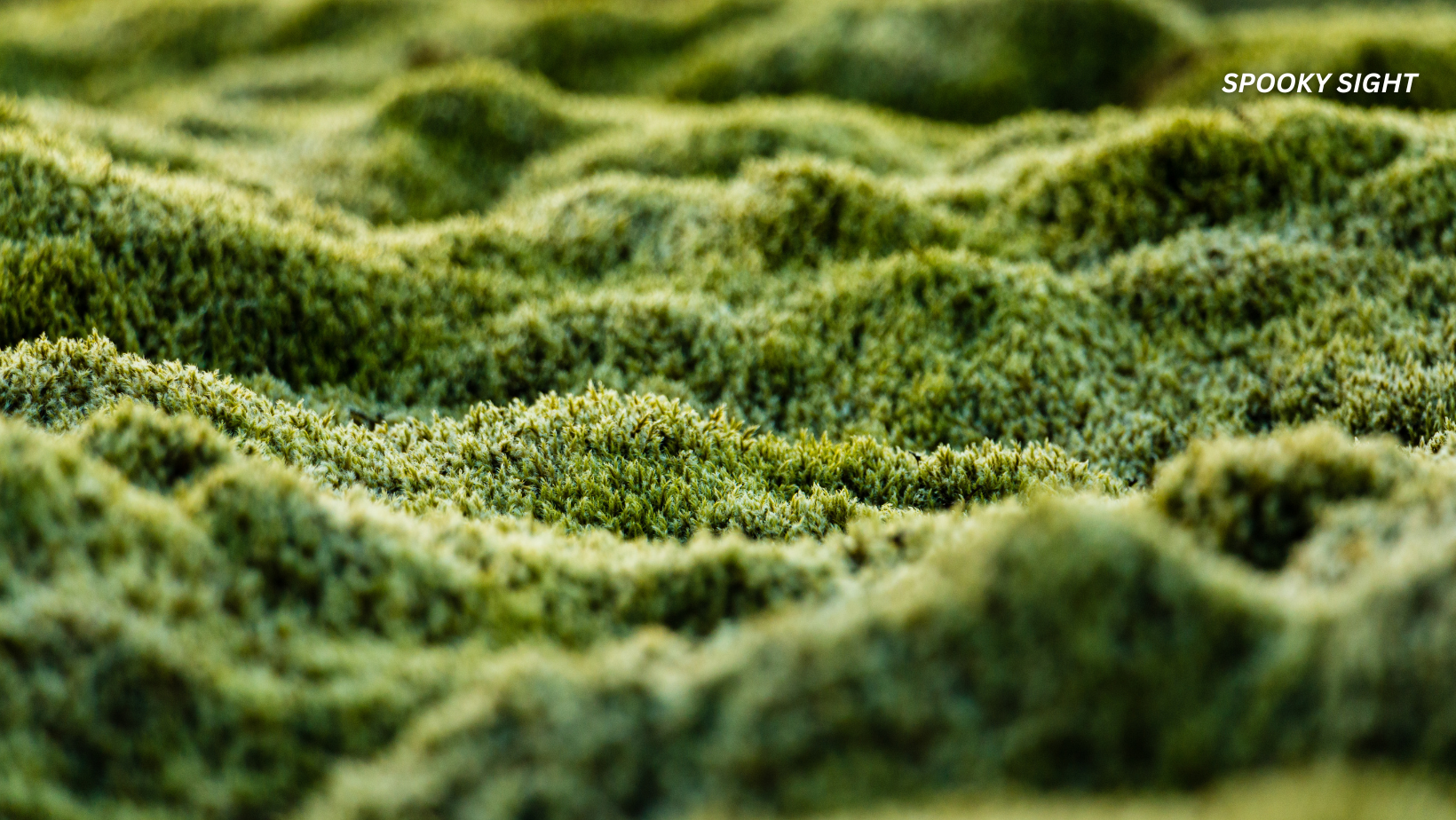
Moss is one of the most unassuming yet tough plants on Earth. You’ve likely seen it quietly carpeting rocks in forests or spreading along damp stone walls. It survives freezing winters, scorching deserts, and everything in between. But what happens when you take it out of Earth’s protective atmosphere and place it directly into the vacuum of space?
In a surprising twist, moss didn’t just survive, it thrived. Scientists recently discovered that some moss spores can endure being exposed to the unforgiving conditions outside the International Space Station (ISS) for nine months, then return to Earth still alive and ready to grow. This discovery has excited researchers and sparked new ideas about life beyond our planet.
The Space Experiment That Defied Expectations
In a groundbreaking study published in the journal iScience, researchers led by Tomomichi Fujita of Hokkaido University sent samples of a common moss species called Physcomitrium patens into orbit. These samples, specifically the structures that encase moss spores known as sporophytes, were mounted on the exterior of the ISS, fully exposed to space’s vacuum, extreme temperature swings, and intense radiation for 283 days.
Scientists initially expected almost zero survival. The vacuum of space, battering ultraviolet rays, drastic heat and cold shifts, and cosmic rays make space a hostile place where most life forms would perish instantly. Yet when the moss returned to Earth, more than 80 percent of the spores were still alive, and many of them germinated normally in the lab.
This was the first time an early land plant species had been shown to survive such long‑term, direct exposure to the elements of space, marking a significant milestone in our understanding of life’s durability.

Related article:This Strange Vampire Squid Isn’t A Monster, But Has Some Of the Most Incredible DNA on Earth
What Makes Moss Spores So Tough?
To understand moss’s resilience, it helps to look at how these plants have evolved over hundreds of millions of years. Mosses are among the first plants to have colonized land around 500 million years ago. During that transition, they developed clever ways to endure dryness, temperature extremes, and intense sunlight.
The secret lies in the spores inside protective structures. These spores are tiny and lightweight, but each one comes equipped with a hardened shell that shields the delicate inner living material from damage. In the space experiment, this shell helped the spores withstand powerful ultraviolet light, vacuum pressure, and temperatures ranging from near‑absolute zero to well above human tolerance.
In controlled tests on Earth that simulated space conditions, researchers found that juvenile moss and stressed stem cells did not survive high ultraviolet radiation or temperature extremes. But the encased spores showed remarkable tolerance—about a thousand times more resistant to ultraviolet damage than other parts of the plant.
Even when moss spores were exposed to nearly ‑196 degrees Celsius for over a week or endured 55 degrees Celsius heat for a month, they still managed to germinate once returned to normal conditions. This suggests that their protective armor does much more than resist a single type of stress—it provides broad protection that helps the spores survive in extreme environments.
How Long Could Moss Survive in Space?
The ISS experiment lasted nine months, but scientists are curious about how much longer moss could endure. Based on mathematical models using data from the returned spores, researchers estimate that moss could potentially survive in space for up to 5,600 days—about 15 years—though they caution this is a rough estimate and needs more research.
This doesn’t mean moss would grow in the vacuum of space without any shelter. Instead, it suggests that life adapted to Earth’s conditions may have intrinsic cellular mechanisms to endure environmental extremes far beyond what was once imagined possible.
Related Research and Wider Implications
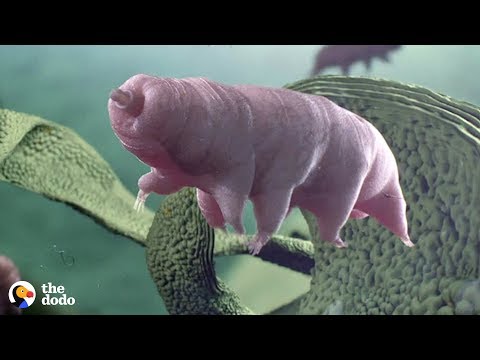
Moss is not the only earthly organism showing resilience in extreme conditions. Other studies in space biology have found that tiny creatures like tardigrades—microscopic water bears—can survive deep space travel by entering a dormant state. These discoveries add to a growing body of research showing that life’s hardiest forms may endure conditions once thought completely uninhabitable.
Separate research has looked at desert mosses on Earth that endure conditions similar to those on Mars, including severe dehydration and intense cold. These studies suggest that certain moss species can recover after long periods of stress, even when their tissues lose nearly all moisture. Such findings offer clues about how plant life might one day persist on other planets, especially in sheltered environments or within engineered habitats.
Scientists also explore how engineered living materials, including combinations of microbes and fungi, might help build habitats on Mars from local soil. While not directly about moss, this research shows a growing interest in leveraging resilient life forms to support construction and sustainability in space.
Related article: 3I/Atlas Shows A Strange Protrusion As It Speeds Toward Earth
Why This Matters for Space Exploration
You might wonder why anyone would care that moss can survive space. The answer is simple: it could help us figure out how to grow life beyond Earth. Plants are essential for producing oxygen, recycling water, and supporting food systems. Before humans can live long‑term on the Moon, Mars, or other distant worlds, researchers need to understand which Earth organisms could help establish sustainable habitats in unfamiliar environments.
Moss might not feed astronauts like lettuce or wheat, but its hardiness could make it part of a life‑support toolkit. It could help condition soil, manage humidity, or even lay the groundwork for simple ecosystems that other life forms rely on. Its ability to endure extreme environments raises the possibility that hardy plants might one day play a role in terraforming or ecosystem engineering on other planets.
Understanding how moss meets the challenges of space also teaches us more about the basic limits of life itself. It shows that life is more adaptable and robust than we once assumed, capable of enduring environments that appear, at first glance, utterly uninhabitable.
Related article: If You Recall Dreams Vividly Each Morning, You Likely Have These 8 Cognitive Superpowers
From Earth’s Forest Floors to Outer Space
It is remarkable to think that something as simple and quiet as moss could change how we imagine life beyond Earth. From damp forest floors to the vacuum of space, moss has shown that survival can take many forms. Its resilience invites us to rethink where life might exist and how we prepare for future exploration.
As research continues, moss will likely remain a plant of fascination for scientists and space enthusiasts alike, offering clues about how life endures, adapts, and perhaps one day thrives beyond the boundaries of our home planet.
Featured image: Freepik.
Friendly Note: Spookysight.com shares general information for curious minds. Please fact-check all claims. 🌱