
Picture this. The news feed keeps moving. An earthquake had destroyed homes. Families were fleeing war. Wildfires had wiped out entire towns. Political chaos was unfolding somewhere else. Your coffee had gone cold, and your child was playing on the floor beside you.
And you feel nothing.
No sadness. No anger. No urgency. Just a strange blankness, like someone had turned down the volume on your emotions. You may think, what is wrong with me?
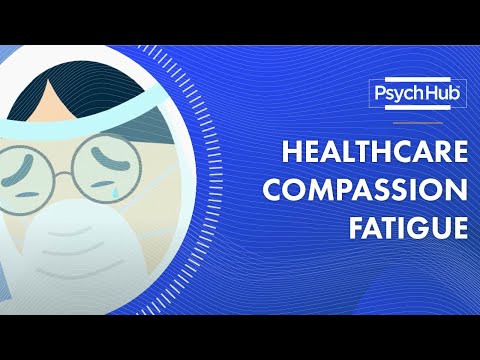
You are not heartless. You were overwhelmed. What you were experiencing has a name. It is called compassion fatigue.
And it happens most often to people who care deeply.
Related article: Experts Say These 3 Birth Dates Are Linked to People With The Kindest Souls
What is compassion fatigue?
The term compassion fatigue was first used in the early 1990s to describe emotional exhaustion among nurses and emergency workers. These professionals were constantly exposed to trauma. Over time, many of them began to feel drained, numb, or detached.
Later, psychologists found that compassion fatigue is not limited to healthcare workers. It can affect journalists, social workers, teachers, and now, everyday people who consume large amounts of news and social media.
Today, we are exposed to more suffering than any generation before us. Tragedy reaches us instantly through screens. We see disasters in real time. We read about violence before breakfast. We watch personal stories of loss while sitting in traffic.
Our brains were never designed to process this much pain all at once.
Why your brain shuts down
When you see someone suffering, even on a screen, your brain reacts. The parts of your brain connected to empathy become active. You may feel tension in your chest. You may feel sadness or distress.
This reaction is natural. It is how humans connect to each other.
But when this happens over and over again, without a break, your brain becomes overloaded. It cannot stay in a constant state of emotional alarm. So it does what it is built to do. It protects you.
It lowers the intensity.
That protection can feel like numbness.
You might scroll past tragic headlines without pausing. You may feel irritated instead of sad. You might avoid the news entirely because you simply cannot handle another story.
This does not mean you stopped caring. It means your nervous system is exhausted.
The surprising truth about empathy
It seems logical to think that the more suffering we see, the more compassionate we become. Research shows that the opposite often happens.
Psychologists have found that people respond more strongly to the story of one person than to statistics about thousands or millions. When the numbers grow larger, emotional response often decreases.
This is not because people are cruel. It is because the human brain struggles with large scale suffering. We are wired to respond to individuals, not massive data.
When we are flooded with crisis after crisis, our ability to feel can shrink instead of expand.
This is known as emotional overload. And emotional overload often leads to emotional shutdown.
Related article:Your Consciousness May Be Able to See the Future—And One Scientist Is Testing That Claim
The difference between empathy and compassion
There is another important detail that helps explain why some people burn out.
Empathy and compassion are not the same thing.
Empathy means feeling someone else’s pain as if it were your own. When you watch a tragic story and feel distress inside your body, that is empathy at work.
Compassion is different. Compassion means recognizing someone’s suffering and feeling motivated to help, without becoming overwhelmed by their pain.
Research shows that empathy alone can lead to exhaustion. Compassion, when balanced, can actually feel steady and energizing.
In other words, feeling everything intensely is not always sustainable. Caring with boundaries is.
Signs you might be experiencing compassion fatigue
Compassion fatigue does not arrive dramatically. It usually builds slowly.
You might notice that you scroll past heartbreaking news without reacting. You might feel skeptical about charity campaigns. You may find yourself thinking, Nothing will change anyway.
You may also feel emotionally distant in your personal life. Conversations feel flatter. Joy feels muted. You are present, but not fully engaged.
This can be confusing. Many people assume they are becoming cold or indifferent. In reality, they are overwhelmed.
Why this is more common today
Modern life makes compassion fatigue more likely.
We carry constant access to global suffering in our pockets. News alerts arrive at all hours. Social media mixes tragedy with entertainment, ads, and outrage. There is no natural stopping point.
In the past, people learned about distant crises slowly. Now, we see everything instantly. The brain receives one emotional trigger after another, often without resolution.
You witness suffering. You feel distress. There is little you can do about most of it. Then another story appears. Over time, the brain reduces its emotional response to cope.
That reduction can feel like indifference. But it is actually self protection.
How to protect your ability to care
The goal is not to ignore the world. It is to stay engaged in a sustainable way.
First, reconsider the idea that you must consume all information to be a good person. Staying informed matters, but endless scrolling does not increase your impact.
Second, choose depth instead of constant surface exposure. Instead of reading ten different crisis headlines, focus on understanding one issue more fully. Depth allows your brain to process rather than panic.
Third, connect awareness to action. Research shows that taking even small steps reduces helplessness. Donating, volunteering, or supporting one specific cause can restore a sense of agency.
Finally, protect your emotional space. Time without screens, physical movement, nature, reflection, and rest all help regulate the nervous system. These are not luxuries. They are necessary maintenance.
Related article: New Research Shows That The People Around You Can Actually Shape Your Nervous System And Your Body’s Default Emotional State
Why this matters
Compassion fatigue does not just affect individuals. It affects communities. When large numbers of people feel emotionally drained, society can become more indifferent.
If everyone is overwhelmed, fewer people step forward.
Sustainable compassion means accepting human limits. No one can feel everything for everyone at all times. The brain simply does not work that way.
But you can care about something real and specific. You can stay present for the people in your life. You can choose one issue and engage with it meaningfully.
Compassion is not about reacting to every headline. It is about responding thoughtfully where you can make a difference.
If you have felt numb in the face of global suffering, you are not broken. You may simply be overloaded.
And protecting your ability to care might be one of the most responsible things you can do.
Featured image: Freepik.
Friendly Note: Spookysight.com shares general information for curious minds. Please fact-check all claims. 🌱