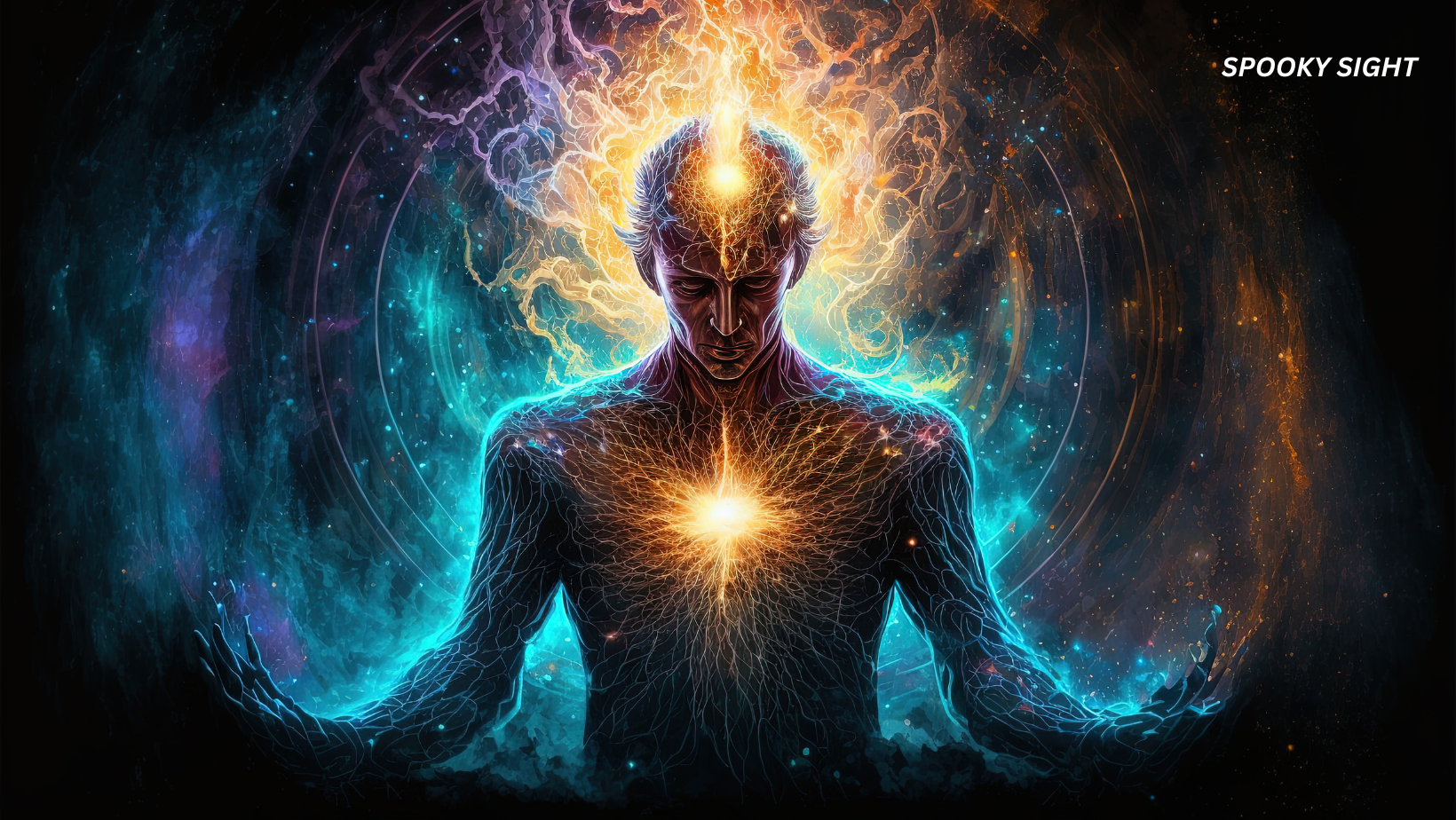
For most of human history, death has been viewed as a single moment. The heart stops beating, the brain shuts down, and life ends instantly. It seems simple and final. Yet modern research is beginning to paint a more complicated picture. Some scientists now believe that death does not occur in a single instant but instead unfolds gradually over time.
New findings presented by researchers suggest that awareness may linger for longer than previously believed. In some cases, the mind could remain active for minutes or even hours after the body appears to have stopped functioning. This idea challenges long standing assumptions about the exact moment when life truly ends.
While the topic naturally raises difficult questions, researchers say understanding the process of dying more clearly could help medicine, ethics, and science make better decisions in the future.
Death May Be a Process Rather Than a Single Moment
A research review presented at the annual conference of the American Association for the Advancement of Science examined a growing body of studies related to death and consciousness. The work suggests that the boundary between life and death may not be as sharp as once believed.
The analysis was led by researcher Anna Fowler of Arizona State University. She examined more than twenty scientific studies that explored what people experience near death. These included reports from patients who had been declared clinically dead but were later revived, along with experiments involving animal brain activity after cardiac arrest.
The results pointed toward a surprising possibility. Instead of shutting down instantly, the brain and body may decline gradually. Certain biological functions may continue long after the heart has stopped beating.
This means the transition from life to death could involve several stages rather than a single moment.

Related article: 7 Small Signs That You May Be Spiritually Gifted
What Happens When the Heart Stops
Doctors define death in several ways. One of the most commonly used definitions is cardiac death, which occurs when the heart permanently stops pumping blood through the body. Without blood flow, the brain no longer receives oxygen, and brain cells begin to fail.
For decades it was assumed that once circulation stops, consciousness disappears almost immediately. However, new observations suggest the story may be more complex.
In some medical cases, patients who experienced complete circulatory standstill were later revived through resuscitation techniques. After recovering, several of them reported memories of events that occurred while their hearts were not beating.
Some described hearing voices in the room, recognizing medical equipment, or recalling conversations between doctors. These accounts suggest that awareness might continue briefly even when the body appears lifeless according to traditional medical standards.
Scientists emphasize that these experiences are still being studied carefully. Memory, perception, and brain chemistry during medical emergencies can behave in unusual ways. Yet the reports continue to intrigue researchers who are trying to understand what happens inside the brain during the final stages of life.
The Brain Does Not Instantly Shut Down
The brain is an incredibly complex organ. Even after oxygen supply stops, certain processes inside brain cells can continue for a period of time.
Previous research has shown that electrical signals in the brain may remain detectable for a short time after cardiac arrest. In animal studies, bursts of organized brain activity have even been observed shortly after the heart stops. These patterns resemble the activity seen when someone is conscious.
This does not necessarily mean the person is fully aware. However, it indicates that the brain may remain active for longer than expected.
Anna Fowler’s review suggests that the decline of brain function might occur over hours rather than seconds in some situations. Cells may slowly lose energy and begin shutting down one system at a time.
This gradual breakdown could explain why some individuals report vivid experiences during near death events.
Related article: 11 Signs Your Life May Be Guided by The Divine
Understanding Near Death Experiences
Near death experiences have fascinated scientists and philosophers for decades. People who survive life threatening medical events sometimes describe unusual perceptions such as moving through darkness, seeing bright light, or observing their surroundings from an external perspective.
Not every patient reports these experiences, and the exact cause remains uncertain. Researchers have proposed several explanations. Some believe the brain releases powerful chemicals when under extreme stress. Others suggest oxygen deprivation or rapid neural activity could produce intense sensations.
Another possibility is that the brain enters a unique state while struggling to maintain function. During this period, awareness may become distorted, producing vivid memories once the person recovers.
Fowler’s research does not claim that near death experiences prove consciousness continues after death. Instead, it highlights that the brain’s final moments may be far more complex than previously understood.
Rethinking the Definition of Death
The legal and medical definitions of death used in many countries were established several decades ago. In the United States, guidelines created in the 1980s define death as either the irreversible cessation of circulatory function or the irreversible loss of all brain activity.
These definitions were developed when scientific tools for measuring brain activity were far less advanced than they are today. Modern technology can detect subtle signals that older equipment might have missed.
Because of this, some researchers believe the concept of death should be revisited using new scientific knowledge.
Fowler proposes thinking about death in stages rather than as a single event. She compares the idea to how doctors classify diseases. Conditions like cancer are often described using stages that represent different levels of progression.
Similarly, the process of dying could involve several biological phases, beginning when circulation stops and ending when cells across the body lose the ability to recover.
The Final Transition of Life
Although science continues to uncover new information about the dying process, researchers emphasize that many mysteries remain. The exact relationship between brain activity and conscious awareness is still one of the biggest unanswered questions in neuroscience.
Even when brain signals are detected, scientists cannot always determine what a person might be experiencing internally.
What is becoming increasingly clear is that the boundary between life and death may be more gradual than people once believed. Instead of a sudden switch being turned off, the body appears to move through a sequence of changes.
Organs slow down. Cells struggle to maintain energy. Neural signals fade step by step until the brain can no longer sustain activity.
In this sense, death may resemble a complex biological transition rather than an instant disappearance.
What We Know So Far
For now, the most reliable conclusion is that death is not always instantaneous. The body enters a complex transition that may unfold over time.
Evidence suggests that certain brain processes can continue briefly after the heart stops. Some individuals who have been revived report memories from this period, although the exact cause of those experiences remains uncertain.
These discoveries do not rewrite the basic facts of biology. When circulation stops permanently and brain cells lose their ability to function, life ultimately ends.
Yet the path toward that final point appears to be more gradual and intricate than once assumed.
Related article: 13 Signs That Your Friend Might Be an Angel in Disguise
Looking Ahead
Future research will continue to explore the boundary between life and death. Scientists are developing new tools to measure brain activity and cellular processes with greater precision.
These studies may eventually help doctors understand how consciousness fades and how the body transitions into irreversible death.
For now, one thing is becoming increasingly clear. Death is not simply a moment marked by the stopping of the heart. It is a biological journey that unfolds step by step.
Understanding that journey may help medicine make better decisions, encourage ethical reflection, and deepen humanity’s appreciation for the fragile complexity of life itself.
Featured image: Freepik.
Friendly Note: Spookysight.com shares general information for curious minds. Please fact-check all claims. 🌱